In California, an unlicensed handyman can legally do jobs under $1,000, labor and materials combined, as long as the work requires no building permit and no hired workers. That limit comes from California Business & Professions Code §7048 as amended by AB 2622, effective January 1, 2025. Anything beyond it requires a CSLB-licensed contractor.
If you are hiring help for home projects in San Diego, this is the one law worth understanding before you book anyone. It draws the legal line between "handyman work" and "contractor work" in California — and it changed recently, so plenty of advice floating around is out of date. This guide is consumer education from SD Assembly Pros: what the law says, what it never allows regardless of price, and how to protect yourself on bigger projects.
What Is California's Handyman Limit?
California's Contractors State License Law generally requires anyone performing construction work to hold a license from the Contractors State License Board (CSLB). The handyman exemption — California Business & Professions Code §7048 — carves out small jobs considered "of casual, minor, or inconsequential nature."
For the exemption to apply, all of these must be true: the aggregate contract price — labor, materials, and everything else — for the whole undertaking is under $1,000; the work does not require a building permit; and the person doing the work does not employ anyone else on the job.
Summarized from California Business & Professions Code §7048, as amended by AB 2622 (effective January 1, 2025).Two details in that summary do the heavy lifting. "Aggregate" means the whole project: a handyman cannot legally split one bathroom refresh into three separate sub-limit invoices — the law evaluates the undertaking, not the paperwork. And the permit condition is absolute: if the job needs a building permit, the exemption is off the table no matter how small the price.
What Work Falls Outside Any Dollar Limit?
Work that needs a building permit falls outside the handyman dollar limit at any price, and so does any job where the handyman employs helpers. In practice that removes structural changes and most new electrical, plumbing and HVAC runs from handyman territory, however small the invoice:
- Permit-required work. Structural changes, moving or removing walls, room additions, water heater replacement, and most new electrical or plumbing runs typically require permits in San Diego County jurisdictions (confirm with your city building department), and permit-required work is excluded from the §7048 exemption entirely.
- Specialty trade scopes. Electrical, plumbing, and HVAC work beyond minor repairs falls under CSLB specialty contractor classifications. Rewiring a circuit, re-piping a bathroom, or installing a condenser typically needs a permit, which makes it licensed work regardless of what it costs.
- Structural work. Anything carrying load — beams, foundations, load-bearing framing, retaining walls of consequence — belongs to licensed contractors and engineers, full stop.
A useful mental model: the dollar limit governs how big a job a handyman may take; permits and trade licensing govern what kind of job it may be. A legal handyman job must pass both tests.
What Can a Handyman Legally Do for You?
An unlicensed handyman can legally do most small household jobs for you, including assembly, mounting, minor repairs and maintenance. The whole job has to stay under $1,000 and need no permit. The table shows where common San Diego projects tend to land:
| Typically fine for a handyman (under the limit) | Needs a CSLB-licensed contractor |
|---|---|
| Furniture, grill, and playset assembly | Room additions and structural changes |
| TV mounting and shelf or art hanging | Electrical panel or new circuit work |
| Door hardware, hinges, and adjustments | Re-piping or drain line replacement |
| Minor drywall patching and touch-up paint | Water heater replacement (permit required) |
| Caulking, weatherstripping, small repairs | HVAC installation or replacement |
| Fence and gate repairs (non-structural) | Roofing and foundation work |
| Small jobs totaling under $1,000 | Any single project at $1,000 or more |
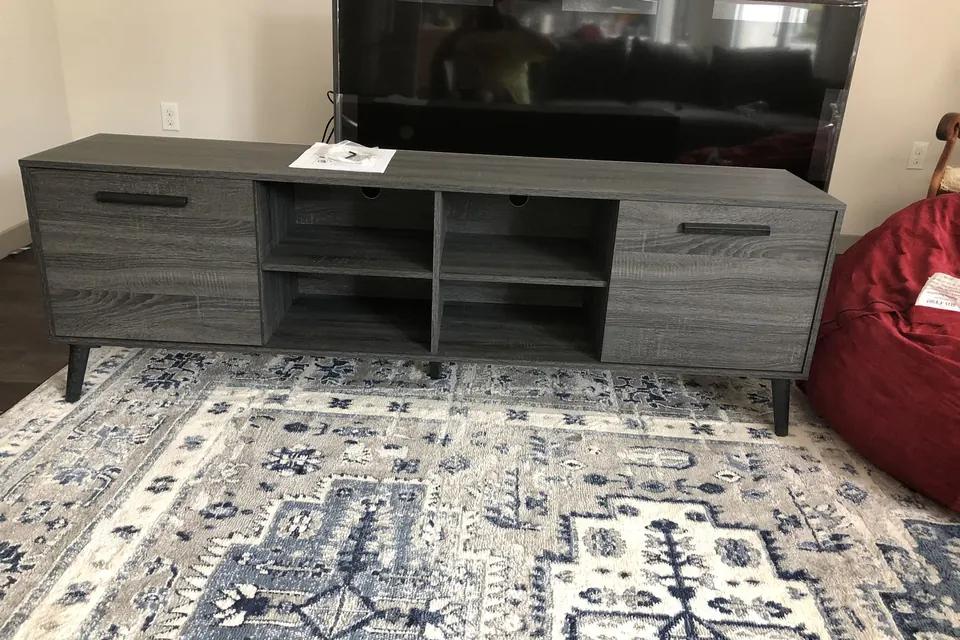
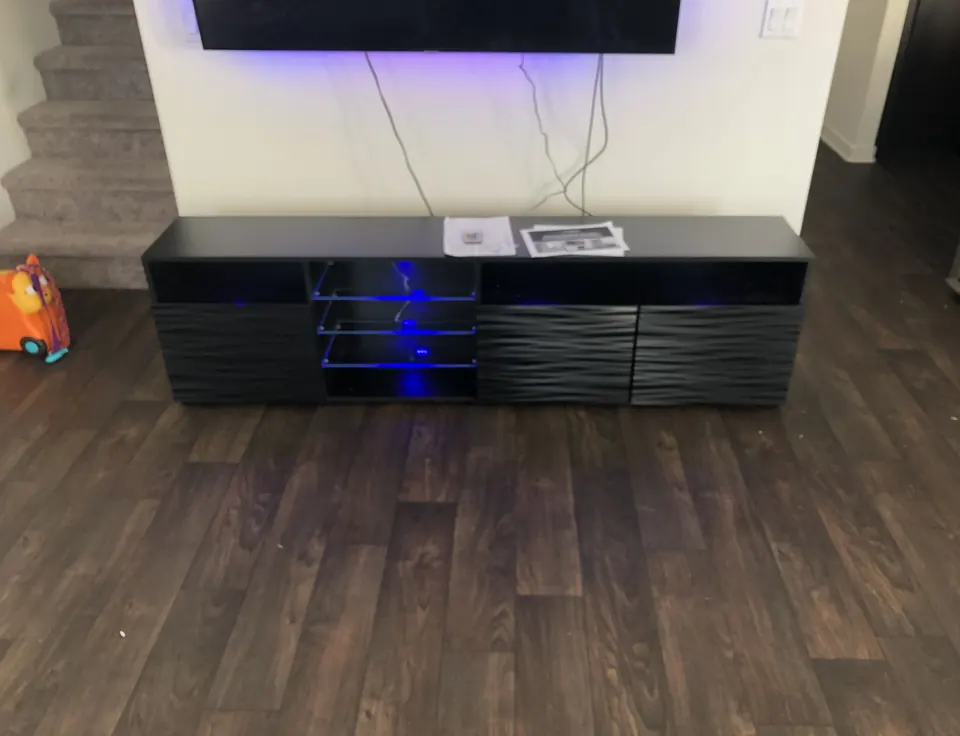
Assembly work is the clearest case in the left column. Building a wardrobe, a gas grill, or a backyard playset involves no permits and no specialty trade scope — it is exactly the "minor and inconsequential" category the statute describes. That covers most of what we write about on this blog, from IKEA assembly timelines to swing set installations — though note that a playset is different from a deck or elevated structure, which can cross into permit territory fast.
A common request: "can you also move that outlet while you're here?" Adding or relocating a circuit is electrical work that typically needs a permit, and a good handyman says so on the spot. Be wary of anyone who treats every job, at every size, as something they can take.
How Do You Verify a Contractor's License?
You verify a contractor's license with the free online license lookup run by the CSLB at cslb.ca.gov. Search by license number, business name or personnel name, then check that the license is active and that its classification matches the work you are hiring for.
Classifications include a general "B" license and specialty classes for electrical, plumbing, or HVAC. The lookup also shows whether workers' compensation coverage is on file. California requires licensed contractors to include their license number on contracts and advertising, so a missing number is your cue to ask.
What Does This Mean for Your San Diego Project?
For your San Diego project, match the provider to the size and type of job. Under $1,000 with no permit and no hired help, an unlicensed handyman may legally do the work. At $1,000 or more, or where a permit is required, California requires a CSLB contractor number.
SD Assembly Pros holds California contractor licence CSLB Lic #833940, so it does not work under the unlicensed exemption this article describes, and you can look that number up on the CSLB site. Assembly, mounting and repairs are what our handyman services and San Diego handyman bookings cover across San Diego County, from Chula Vista to Oceanside. For woodwork and builds, see our carpentry and construction service.
Some work still belongs to a specialty trade. If your project involves structural changes or regulated electrical, plumbing or HVAC scope, expect to be told so before any work begins, and to be pointed toward the right kind of specialty contractor.
More guides on assembly, mounting and home projects are listed on the SD Assembly Pros blog.
California Handyman Law: Frequently Asked Questions
Can a handyman split a large job into smaller invoices to stay under the limit?
No. California Business & Professions Code §7048 applies the limit to the aggregate contract price of one undertaking or project. Splitting a single project into multiple sub-limit contracts or invoices does not make it legal — the law looks at the whole project, not the paperwork.
Does the California handyman limit include materials?
Yes. The statutory cap covers the aggregate price of labor, materials, and all other items combined for the project. A job with modest labor but expensive materials can still exceed the exemption.
When does a home project need a building permit in San Diego?
Commonly: structural changes, moving or adding walls, most new electrical circuits, water heater replacement, re-piping, HVAC installation, and room additions. Rules vary by jurisdiction within San Diego County, so check with your city's building department. If a permit is required, the handyman exemption does not apply at any price.
Is furniture or equipment assembly covered by the handyman exemption?
Assembling furniture, grills, playsets, or fitness equipment does not require a building permit and is the kind of minor work the exemption contemplates when under the statutory limit. Larger projects, or anything touching wiring, plumbing, or structure, move into licensed-contractor territory.
This article is consumer education, not legal advice. Statutes change: confirm the current rules with the Contractors State License Board at cslb.ca.gov, or read the current text of California Business & Professions Code §7048.