What does SD Assembly Pros do on an EV charger installation in San Diego?
On an EV charger installation, SD Assembly Pros handles site evaluation, charger placement, wall mounting and permit coordination, and installs equipment the customer supplies. Any regulated wiring, circuit, electrical-panel or final connection work is completed by an appropriately licensed electrical contractor, not by SD Assembly Pros. The company operates under California contractor license CSLB #833940.
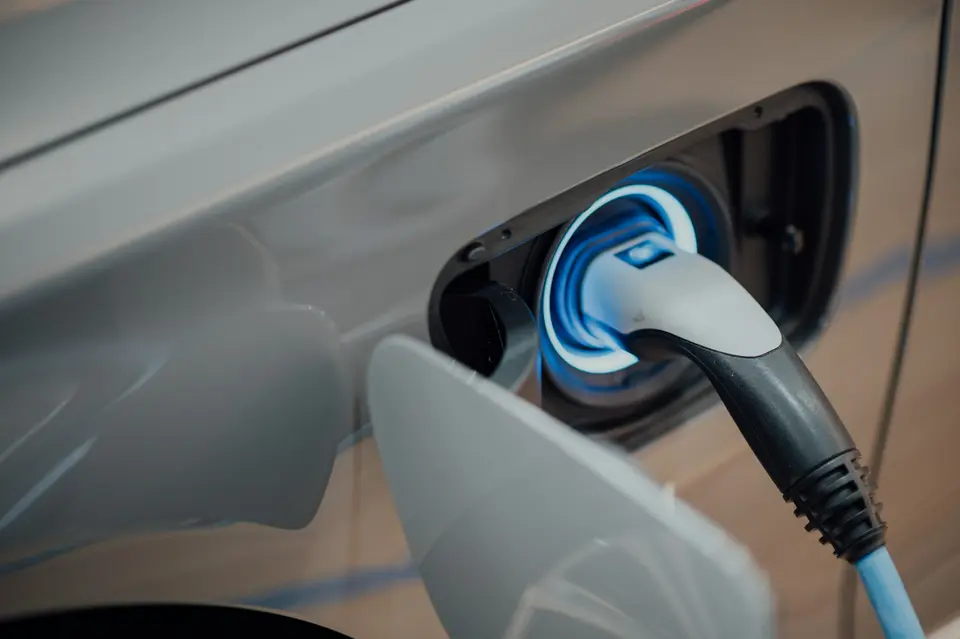
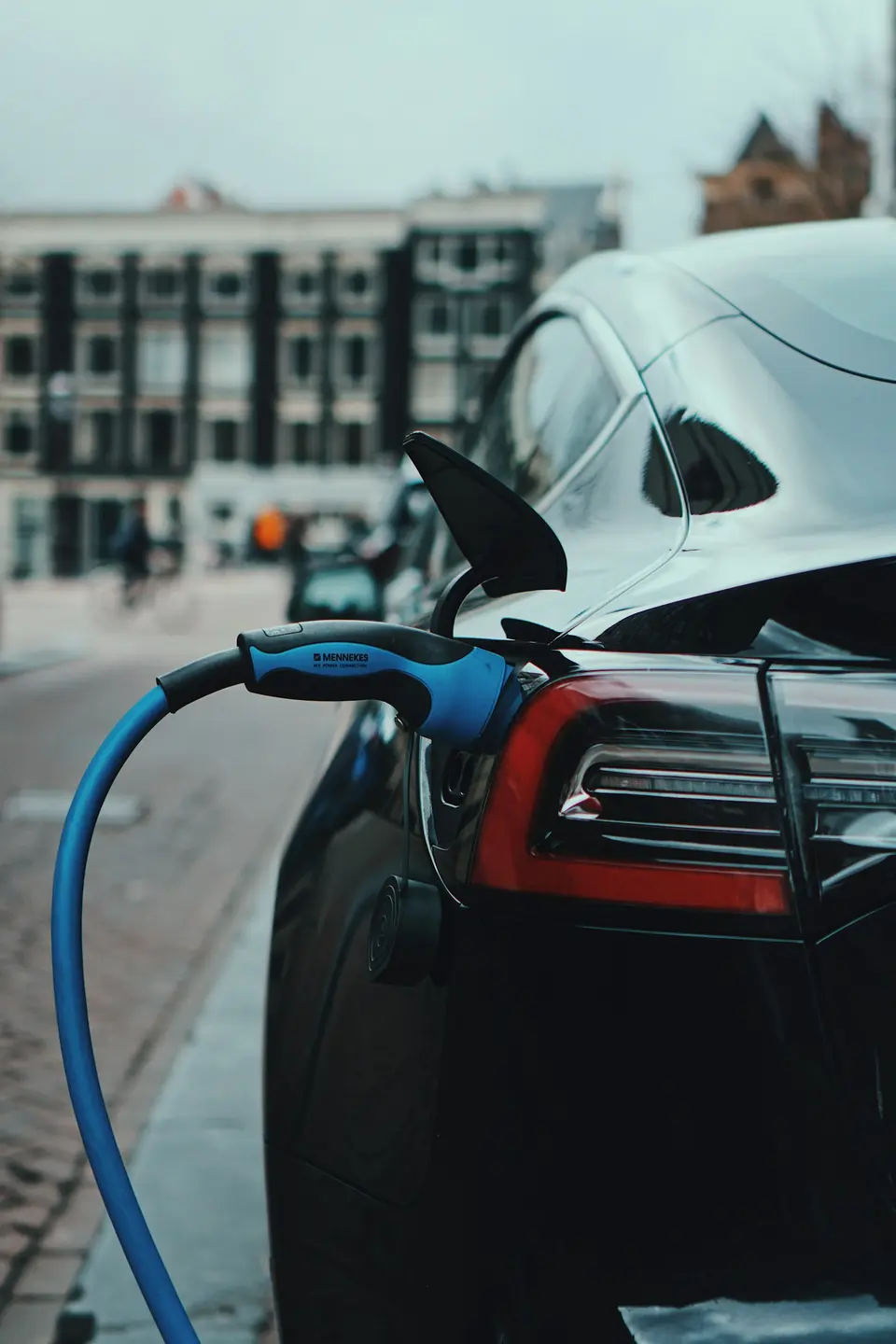
Who does each part of an EV charger installation?
Each part of an EV charger installation goes to one of two parties. SD Assembly Pros does the physical work and the coordination, and the electrical contractor does everything connected to the wiring of the house. The table sets out the split, with what you should have ready at each stage.
| Part of the job | Who does it | What to have ready |
|---|---|---|
| Site evaluation | SD Assembly Pros | Photos of the parking spot, the wall and the electrical panel |
| Charger placement and mounting height | SD Assembly Pros | Vehicle make and model, which side the charge port is on, and the charger's cable length |
| Wall mounting of the unit and cable holder | SD Assembly Pros | The charger, its mounting template and hardware, and the manual |
| Permit coordination | SD Assembly Pros, with electrical details from the electrical contractor | The property address, and written HOA approval where an association applies |
| Load evaluation, new circuit and panel work | Electrical contractor | A clear photo of the panel label and the breakers |
| Final electrical connection | Electrical contractor | Access to the panel and the charger on the day |
How does the EV charger installation process work?
The EV charger installation process runs in a fixed order: site evaluation, requirements review, mounting, electrical connection by the contractor, then a walkthrough. SD Assembly Pros confirms the scope before anything is scheduled, so you know which parts need the electrical contractor and whether a permit applies at your address.
- Site evaluation Where you park, where the charger should mount, the distance back to the electrical panel, and how the charge port lines up with the cable length are all reviewed.
- Requirements review The charging equipment, the electrical system of the property and any permit requirement are assessed, and the scope is confirmed.
- Mounting SD Assembly Pros prepares the wall or backing, fixes the charging unit at the planned height and fits the cable holder.
- Electrical connection The electrical contractor carries out the circuit, panel and final connection work, scheduled so the trades arrive in the right order.
- Walkthrough The finished installation is shown to you, the mounting and position are confirmed, and the work area is cleaned up.
Where should a home EV charger be mounted?
A home EV charger should be mounted where its cable reaches the charge port of the vehicle without stretching or crossing a walkway. In a San Diego garage that is normally the wall nearest the port, at a height that keeps the connector off the floor. The charger's manual gives the mounting height range and the clearances.
San Diego County housing runs from Carmel Valley houses with attached garages to Golden Hill and North Park properties with detached garages, carports or driveway-only parking. Each changes where the unit belongs.
- Attached garages: the unit is fastened to wall studs, or to a backing board that spans two studs, and set clear of the swing of the car doors.
- Detached garages and carports: the position is chosen for cable reach, with weather exposure and the longer run back to the panel taken into account.
- Exterior walls and driveways: the equipment has to carry an outdoor enclosure rating, and fastener holes in stucco are sealed against water.
- Two-vehicle households: a point between the two parking positions can let one unit reach either car, where the cable length allows.
Which EV chargers does SD Assembly Pros mount?
SD Assembly Pros mounts EV chargers that the customer supplies, including the unit that came with the vehicle and wall chargers bought online or from a retailer. Put the brand and model number on the booking form, so the mounting template, cable length and indoor or outdoor rating can be checked before the visit.
Level 2 home chargers come in two forms: plug-in units that use a dedicated receptacle, and hardwired units connected directly to a circuit. Either way, the receptacle, the circuit and the connection belong to the electrical contractor. Moving an existing charger to a new wall also means disconnecting and reconnecting it, so a relocation involves both parties.
Does a home EV charger need a permit in San Diego County?
A home EV charger on a new circuit generally needs an electrical permit, and the office that issues it depends on your address. SD Assembly Pros coordinates the permit where one applies. Inside San Diego city limits the office is the Development Services Department, and other incorporated cities have their own building departments.
Unincorporated communities such as Ramona, Lakeside, Alpine and Bonsall fall under the County of San Diego's Planning & Development Services. Confirm the requirement with the office for your address before work is scheduled. Condo and HOA owners should also get the association's approval in writing before any equipment goes on a shared wall or in a shared garage.
A charger is often one garage project among several. The same booking can add garage storage and other handyman installs, or shelf mounting on the garage wall beside the unit.
EV charger placement and mounting is available in all 26 San Diego County communities SD Assembly Pros serves, from Oceanside to Imperial Beach. The full list of assembly, mounting and handyman services shows what else can be booked.
EV Charger Installation FAQ
No, SD Assembly Pros does not do the electrical wiring for an EV charger. It evaluates the site, places and wall-mounts the charger and coordinates permits. Wiring, circuit, electrical-panel and final connection work is completed by a separate electrical contractor who holds the appropriate California license. The quote states which party does each part.
The cost of an EV charger installation depends on the distance from the electrical panel to the charger, the wall it mounts on, indoor or outdoor placement, the capacity left in the panel and the permit. Mounting and electrical work are scoped separately. Send the charger model and photos, and a quote follows with available times.
A new circuit for a home EV charger generally needs an electrical permit from the building department for your address. In the City of San Diego that is the Development Services Department. Other cities and the unincorporated county have their own offices. SD Assembly Pros coordinates the permit, so confirm the requirement with your office.
Yes, an EV charger can be mounted outdoors if the unit is rated for it. The enclosure rating is printed on the label and in the manual. On stucco, the fasteners have to reach framing or solid backing, and the holes are sealed against water. Near the coast, ask the manufacturer about salt-air exposure.


